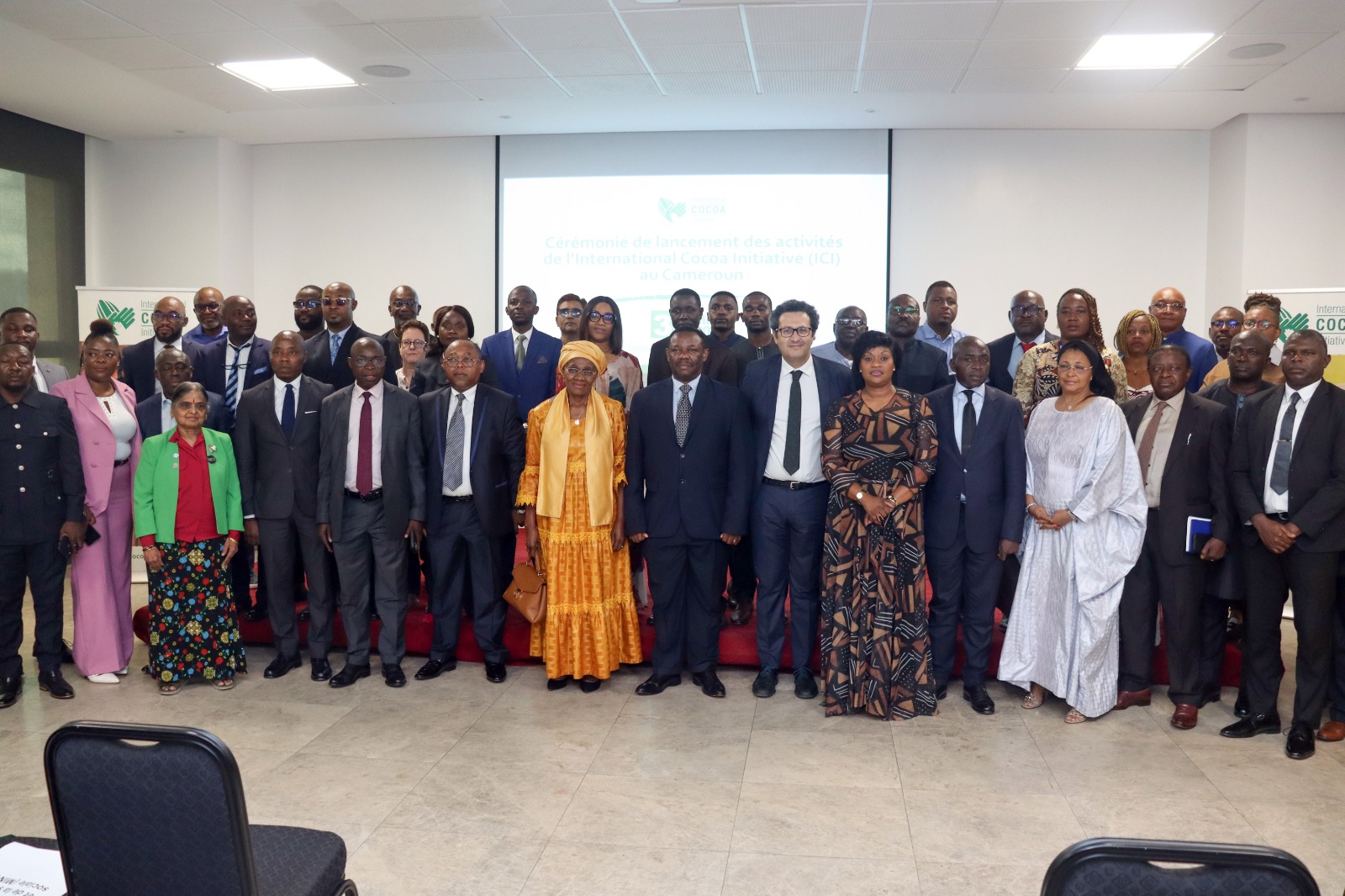
The International Cocoa Initiative officially opened its Yaoundé office on March 31, 2026, marking Cameroon as its third country of operation. The move strengthens the government’s drive to make Cameroonian cocoa fully compliant with EU sustainability rules, particularly on child labour and traceability.
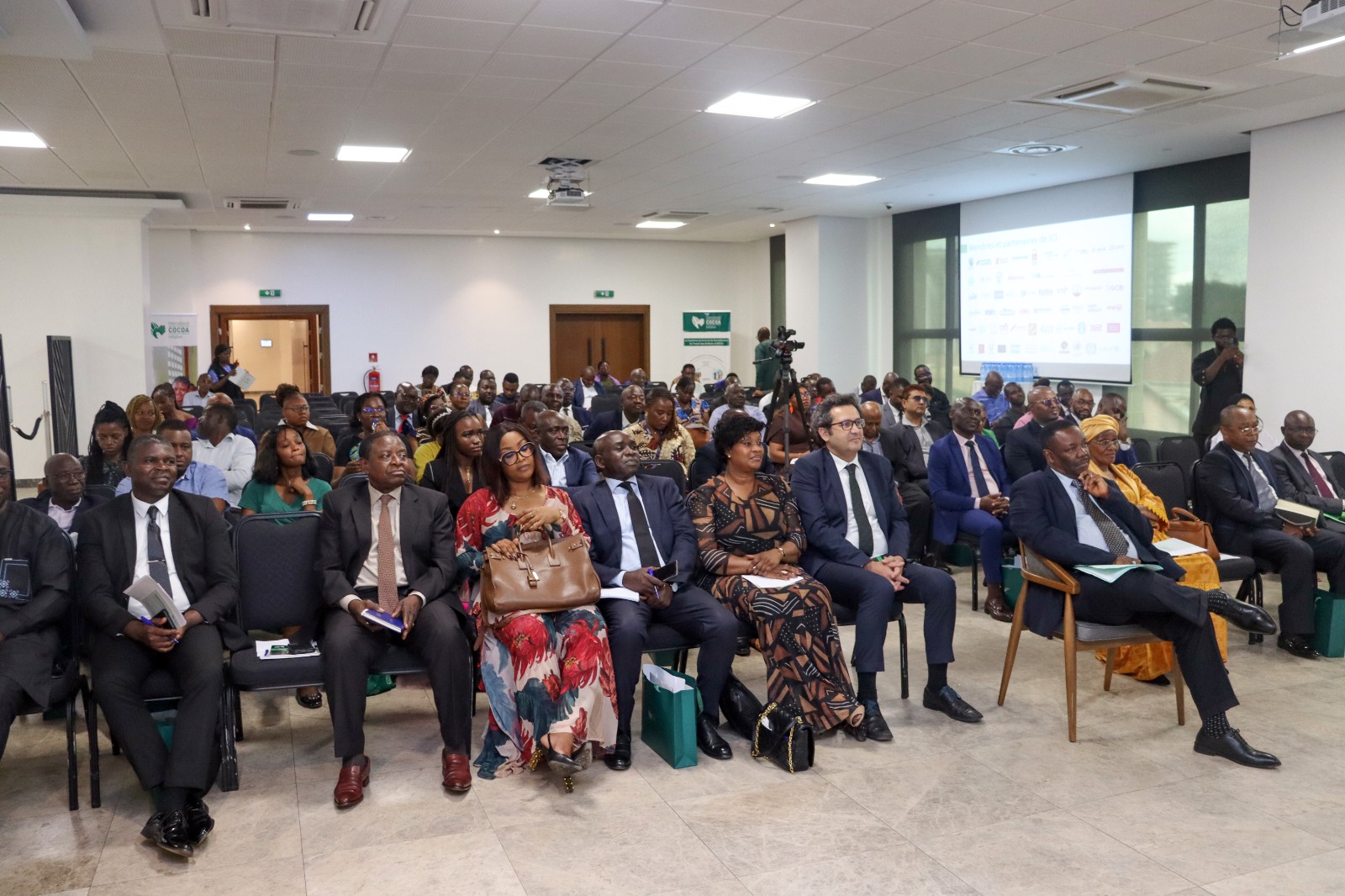
The competitiveness of the cocoa sector is a key issue for Cameroonian authorities, given its contribution to the national economy. During the 2024–2025 cocoa season, for example, Cameroon achieved a record production of 309,518 tonnes. This performance marked a 13% increase compared to the previous season, with farm-gate prices reaching historic levels, often between 3,210 and 5,400 FCFA/kg. Cameroon thus ranks among the world’s major cocoa-producing countries.
This makes it essential that good practices in the sector become a reality and that Cameroonian cocoa continues to be valued in the European Union market. It is also for this reason that the authorities worked proactively to facilitate the establishment of the International Cocoa Initiative (ICI), which aims to help Cameroonian cocoa farmers produce cocoa free from child labour. The official launch ceremony gave ICI’s Executive Director, Matthias Lange, the opportunity to commend the Cameroonian authorities for their commitment to the sustainability of the cocoa sector.

“The dynamism of Cameroon’s cocoa economy reflects the willingness of Cameroonian authorities to go further and meet the requirements of consumer countries, particularly those of the EU. Deforestation, respect for human rights, and the desire of producing countries to make cocoa supply chains sustainable. The dialogue initiated in this regard by the Government of Cameroon, in connection with the EU, aims to strengthen the three pillars of sustainability — environmental, economic, and social — which bring us together today,” said Matthias Lange.
Even before this official establishment, ICI had begun laying the groundwork in Cameroon through meetings with Cameroonian authorities, including officials from the Ministry of External Relations (MINREX), the Ministry of Territorial Administration, stakeholders in Cameroon’s cocoa sector, the Ministry of Labour and Social Security, among others. Following the authorization to operate granted by MINAT on November 7, 2025, ICI had already explored the field to some extent, and with this launch, it will now be able to expand its presence across the country, particularly in Cameroon’s major cocoa-producing basins. In doing so, the ICI Foundation aims to carry out relevant actions to eliminate child labour in the cocoa sector. In Cameroon, child labour does exist, even if the proportion is small. ICI’s role is to support the State of Cameroon in combating child labour in the cocoa sector. “In line with its mandate, the ICI Foundation humbly wishes to place its expertise at the service of Cameroonian authorities and partners to support them on the path to cocoa sustainability. This collaboration involves the actors present in this room, including civil society, cocoa, and chocolate stakeholders. And I would like to commend the CEO of Neo Industry, who has just officially joined the ICI Foundation as the very first Cameroonian member,” explained Matthias Lange.
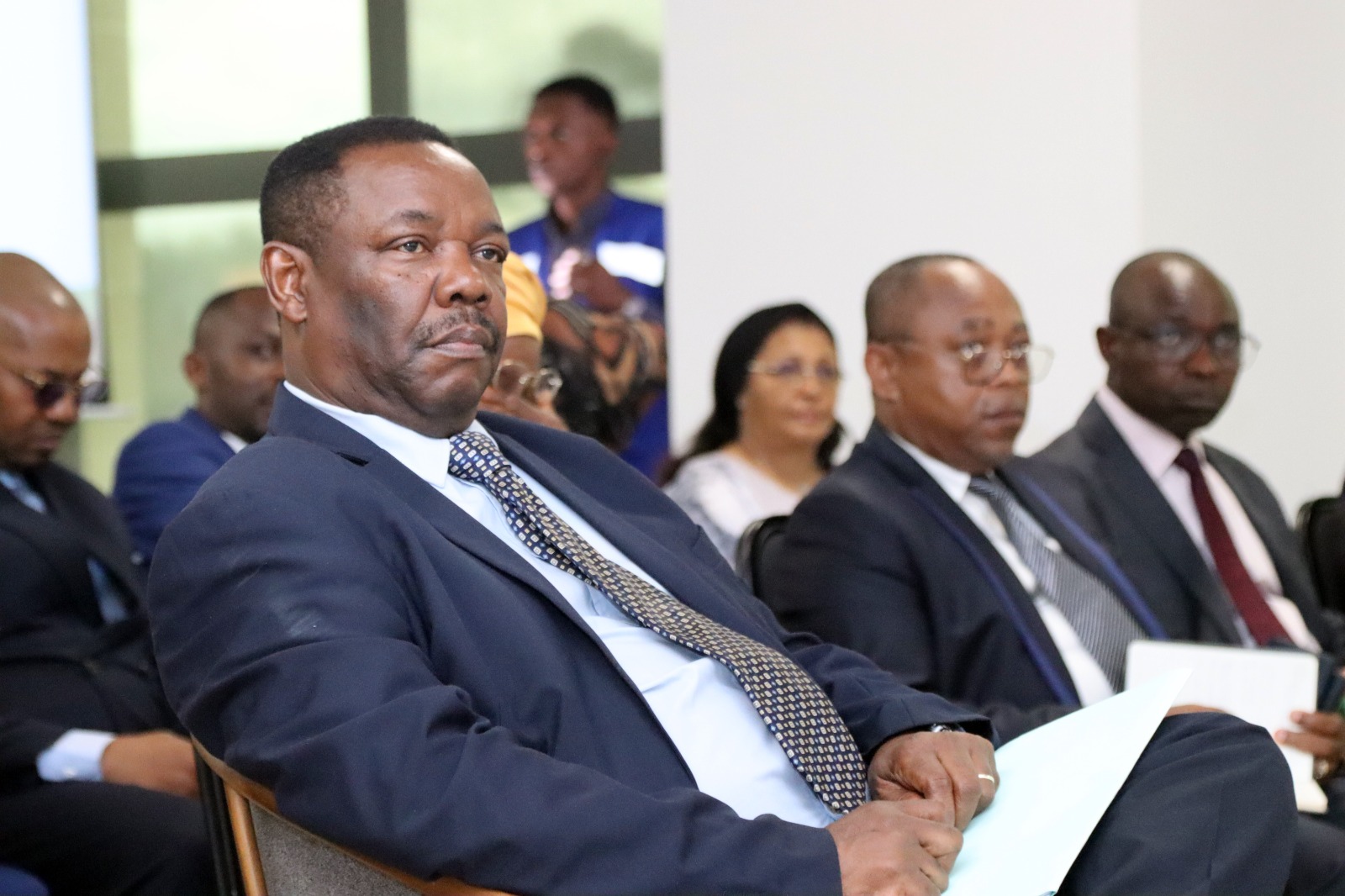
Speaking in turn, the Prime Minister’s representative, Prof. Blessed Okole, Michael Ndoping, Director General of the National Cocoa and Coffee Board (NCCB), and Omer Gatien Maledy, Secretary General of the Interprofessional Cocoa and Coffee Council (CICC), all acknowledged the efforts of the State of Cameroon to make the cocoa sector increasingly sustainable and dynamic. In this regard, these officials welcomed the arrival of ICI, whose expertise will help consolidate the sustainability of Cameroonian cocoa. “We were already moving in this direction when the European Union raised concerns about legality in the value chain. In this context, we conducted a study on child labour in general. The results enabled us to take measures to prevent child labour in the sector. For us, this is a good thing. ICI has experience in Côte d’Ivoire, and we believe that with ICI, we will be able to implement the recommendations from the study so that our sector becomes robust and compliant with international standards. I commend ICI for choosing Cameroon as its third country of operation, and we look forward to working with them,” emphasized the Director General of the NCCB.
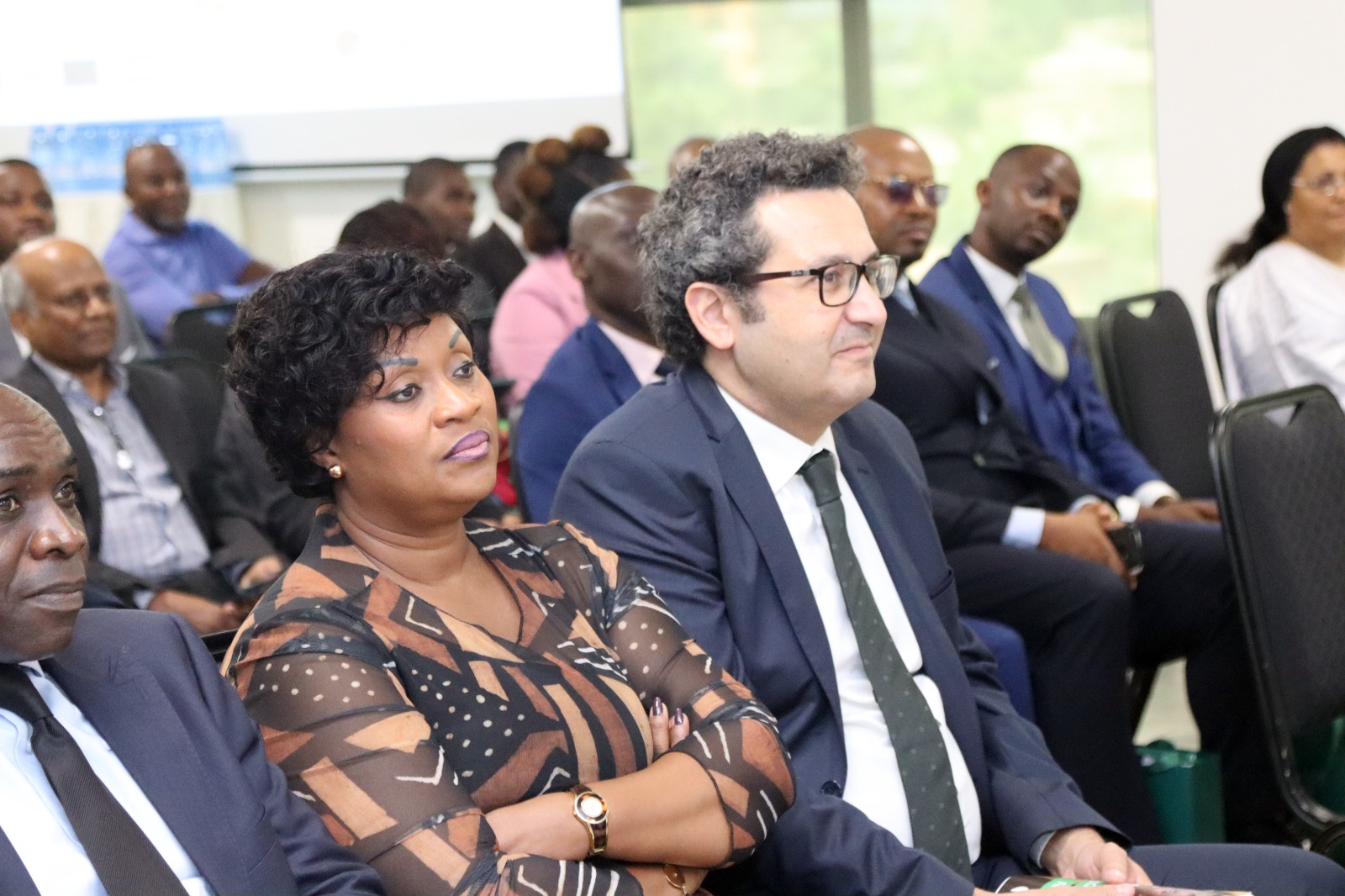
ICI now has the scope to operate in Cameroon in accordance with its mission, with the aim of making the cocoa sector sustainable and, above all, compliant with European Union requirements. Without denying the existence of child labour in the sector, Omer Gatien Maledy, Secretary General of the CICC, called on ICI to help eradicate child labour wherever it exists. “So that this kind of phenomenon does not occur. Help eradicate it where it exists — and there is much less of it here than elsewhere — and help prevent it. But count on us: we, private sector operators, consisting essentially of producers and exporters, have an interest in eliminating this dark spot. We are here for you. May what you have come to do be a success not only for you, but for us, because it is for us that you have come to work. Count on us,” promised Omer Gatien Maledy.
Ernesthine BIKOLA